
EVs are becoming one of the fastest-growing trends these days. Electric vehicles, ranging from cars to bikes, are gaining popularity due to their clean mode of traveling. While public EV charging stations are available, homeowners want to install the chargers in their homes, too. Mainly because it gives them peace of mind and freedom to charge overnight for maximum usage. Also, a proper EV charger installation offers them better control, speed, and safety.
Most homeowners prefer level 2 charger installation because of the convenience of charging overnight. While professional EV charger installation is recommended, many homeowners prefer a DIY approach. However, the process involves installing more than a mounting device. Continue reading the following to learn about installing an electric vehicle charger at home safely.
Understanding EV Charger Installation at Home
Before we start discussing how to install the charging station, it is important to learn about the EV wall charger first. A home EV system features three connected layers. These include an electrical capacity from the home panel, a dedicated wiring circuit, and charging equipment (EVSE unit).
A safe EV charger installation depends on a balance among these three elements. If either part fails, the system loses efficiency or reduces safety. Most homeowners in 2026 use either level 1 charging, which includes a standard outlet and is slow, or level 2 charging. This includes a 240V outlet dedicated system as standard.
A level 2 charger installation fits modern driving habits because it restores the full battery overnight.
Step 1: Check Electrical Capacity Before EV Charger Install
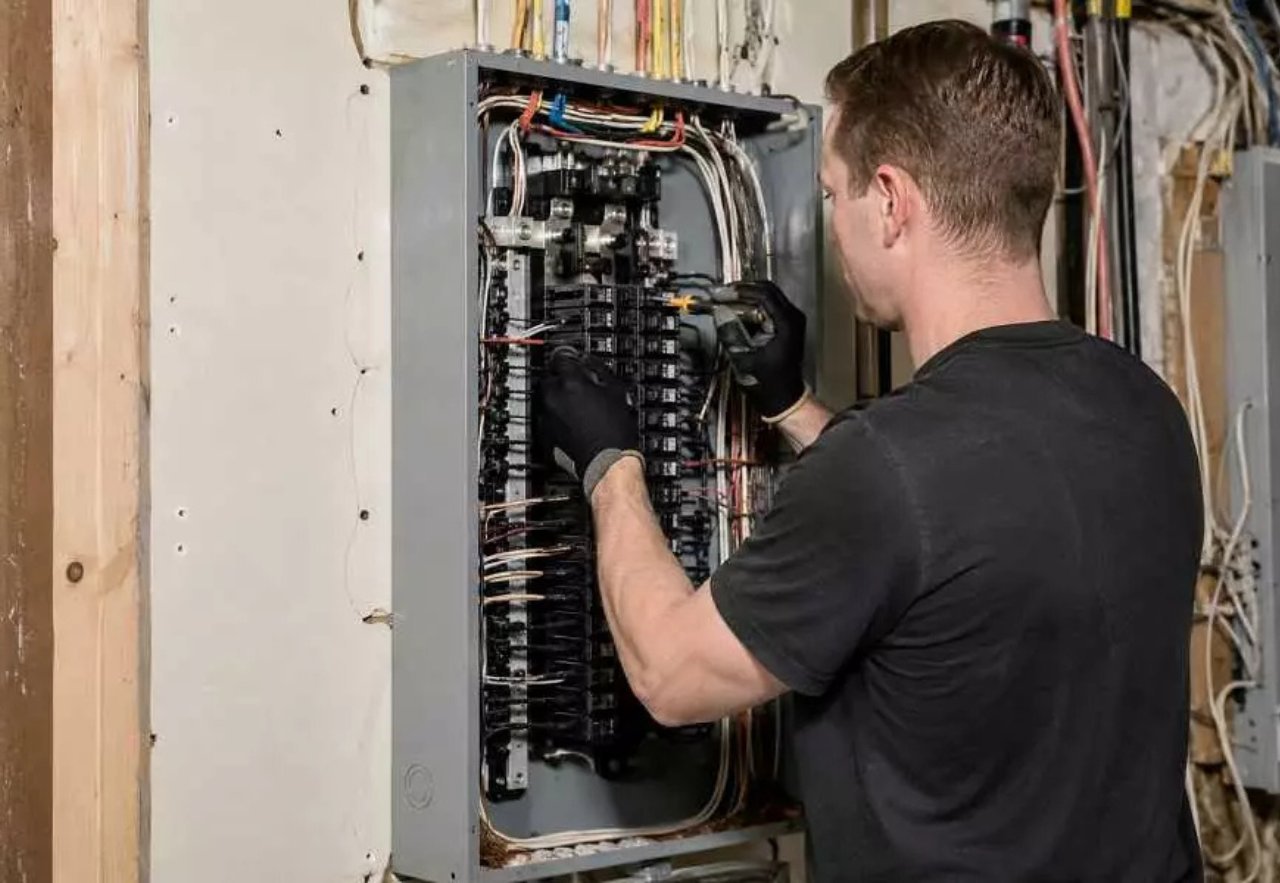
Every EV charger installation begins with the electrical panel. A homeowner should first identify the main service size (100A, 150A, and 200A and the existing load (AC, geyser, kitchen, pumps). They should also check the spare breaker space.
A licenced electrician will then perform a load calculation. This step will determine if the home can support an EV charging point installation without upgrades.
Why does this step matter?
EV chargers will run for hours at continuous load. That is different from normal appliances that cycle on and off. If the panel overloads, the breakers will trip, or the wiring will get overheated. Homes with 200A service generally support level 2 systems easily. Older 100A homes may need a subpanel or service upgrade.
Step 2: Choose the Right EV Charging Equipment
When it comes to safe EV wall charger installation, matching the charger output with vehicle capacity matters. There are generally 2 types:
A Plug-in charger
- Uses a NEMA 14-50 outlet
- Flexible and removable
- Works for moderate load systems
A Hardwired charger
- Direct connection to the breaker panel
- Higher safety for continuous load
- Preferred for outdoor installation
The typical charger types are:
| Charger Type | Output | Use Case |
| Level 1 | 120V | Emergency charging |
| Level 2 (32A) | 240V | Standard home use |
| Level 2 (40–48A) | 240V | Faster EV charging |
A level 2 EV charger installation is the most common choice for homeowners who prefer an overnight full charge cycle.
Step 3: Plan the EV Charging Point Installation Location
Charging point placement affects the cost, safety, and long-term convenience. A proper EV charging point installation considers the distance from the electrical panel, vehicle parking position, and cable reach without strain. It focuses on protection from rain, heat, and wall strength or mounting surface as well.
Professional installers at Prime Serve often recommend garage walls because they keep everything hidden and the wiring length is reduced.
Step 4: Understand Circuit Requirements for EV Charger Installation
A dedicated circuit secures both the charger and home system. A typical EV charger installation uses
- 20A breaker for small Level 2 units
- 40A breaker for standard EV charging
- 50–60A breaker for high-speed units
Wire selection also matters here, so make sure they support load management and are cost-efficient according to distance:
| Circuit | Wire Size (Copper) |
| 20A | 12 AWG |
| 40A | 8 AWG |
| 50A | 6 AWG |
| 60A | 4–6 AWG |
Correct sizing will prevent voltage drop and heat buildup. A proper EV charger at home always uses grounded conduit and secure termination inside the panel.
Step 5: DIY Planning vs Professional EV Charger Installation
A modern approach mixes the DIY understanding with professional execution. When it comes to DIY installation, homeowners can handle:
- Charger selection
- Placement planning
- Load discussion with the electrician
- Smart charger setup
- App configuration
What requires a licensed electrician:
- Panel connection
- Circuit wiring
- Breaker installation
- Grounding system setup
- Code compliance checks
A level 2 EV charger installation should never skip licensed electrical work because continuous load systems demand strict compliance.
Step 6: EV Wall Charger Installation Process (Professional Workflow)
A standard EV wall charger installation starts and continues in a controlled sequence.
- Power shutdown at the main panel
- Breaker installation for a dedicated circuit
- Conduit routing from panel to charger point
- Wire pull based on load requirement
- Charger mounting on the wall or a pedestal
- Electrical termination and torque checks
- System grounding verification
Each step matters as it secures the charger from overheating, load imbalance, and arcing.
Step 7: Testing and Commissioning After EV Charger Install
Once the system is installed, it should be tested before use. The testing includes a voltage stability check, ground fault protection test, charging activation test, and load monitoring while operating.
Smart chargers also connect to apps for:
- Energy tracking
- Charging schedule
- Power limit control
A successful installation of an EV charger at home always ends with a certified inspection in regulated regions.
Step 8: Cost Considerations for EV Charger Installation
Costs are different depending on the electrical condition and distance.
| Component | Cost Range |
| EV charger unit | $300 – $1,200 |
| Basic EV charger installation | $500 – $1,500 |
| Complex wiring runs | $300 – $1,000+ |
| Panel upgrade | $1,500 – $5,000 |
| Permit & inspection | $50 – $500 |
The biggest variable remains electrical panel readiness.
Step 9: Common Mistakes in EV Charger Installation
When it comes to EV wall charger installation, these mistakes can reduce efficiency and safety by skipping key steps.
| EV Charger Installation Mistake | Why It Happens | Potential Consequences |
| Ignoring Load Capacity | The home’s electrical panel is not evaluated before installation. | Breaker trips, overloaded circuits, reduced charging performance, and potential electrical safety risks during peak household usage. |
| Choosing the Wrong Charger Size | A charger is selected without considering the home’s electrical capacity or the vehicle’s charging needs. | Older panels may become overloaded, leading to system instability, frequent breaker trips, or costly electrical upgrades. |
| Long, Unplanned Wiring Routes | The charger location is chosen without considering the distance from the electrical panel. | Higher installation costs, increased voltage drop, reduced efficiency, and more complex maintenance. |
| Skipping Permits and Inspections | Installation is completed without following local permitting requirements. | Insurance complications, code violations, failed home inspections, and potential issues during property resale. |
| Improper Mounting | The charger is not securely attached to a suitable wall or mounting surface. | Cable strain, premature equipment wear, physical damage to the charger, and reduced long-term reliability. |
A proper EV charger installation process always focuses on the electrical limits first.
EV Charger Installation At Home FAQs
Let’s answer your questions about EV charger installation.
Can I install an EV charger at home myself?
Yes. But it requires careful planning and mounting a chargepoint. Contacting a professional electrician is crucial for safe wiring and circuit breakers in emergencies.
How long does EV charger installation take?
3 to 6 hours is the typical time for general electric car charger installation, but the duration may vary according to wiring length and distance.
Do I need a permit for EV charger installation?
Yes. A permit is required in most regions, along with inspection for electrical safety assurance and compliance.
What is the best location for EV charger installation?
A garage is generally considered and recommended by professional electricians.
Does every home support a Level 2 EV charger?
No. Not every home supports a Level 2 EV charger, especially older homes, which require panel upgrades before installation.
How much does it cost to install an EV charger?
The general cost is around $500 to $2,000 for basic setups, but it doesn’t include any other major electrical upgrades.
Is a hardwired EV charger better than a plug-in?
Hardwired chargers offer higher safety and reliability, especially for continuous high-load usage.
Bottom Line
Installing an EV charger at home through DIY is a critical task. It depends on structure, precision, and knowledge instead of speed. Homeowners will need careful planning, placement, and the right equipment to start. Consulting with professional electrical service providers like Prime Serve can help you in this regard, and you can get help with wiring, load balancing, and compliance.
A level 2 EV charger installation at home offers a balance of freedom, peace of mind, speed, and control. A correct design and installation keep the system scalable, stable, and safe for years to come.